The Presentation
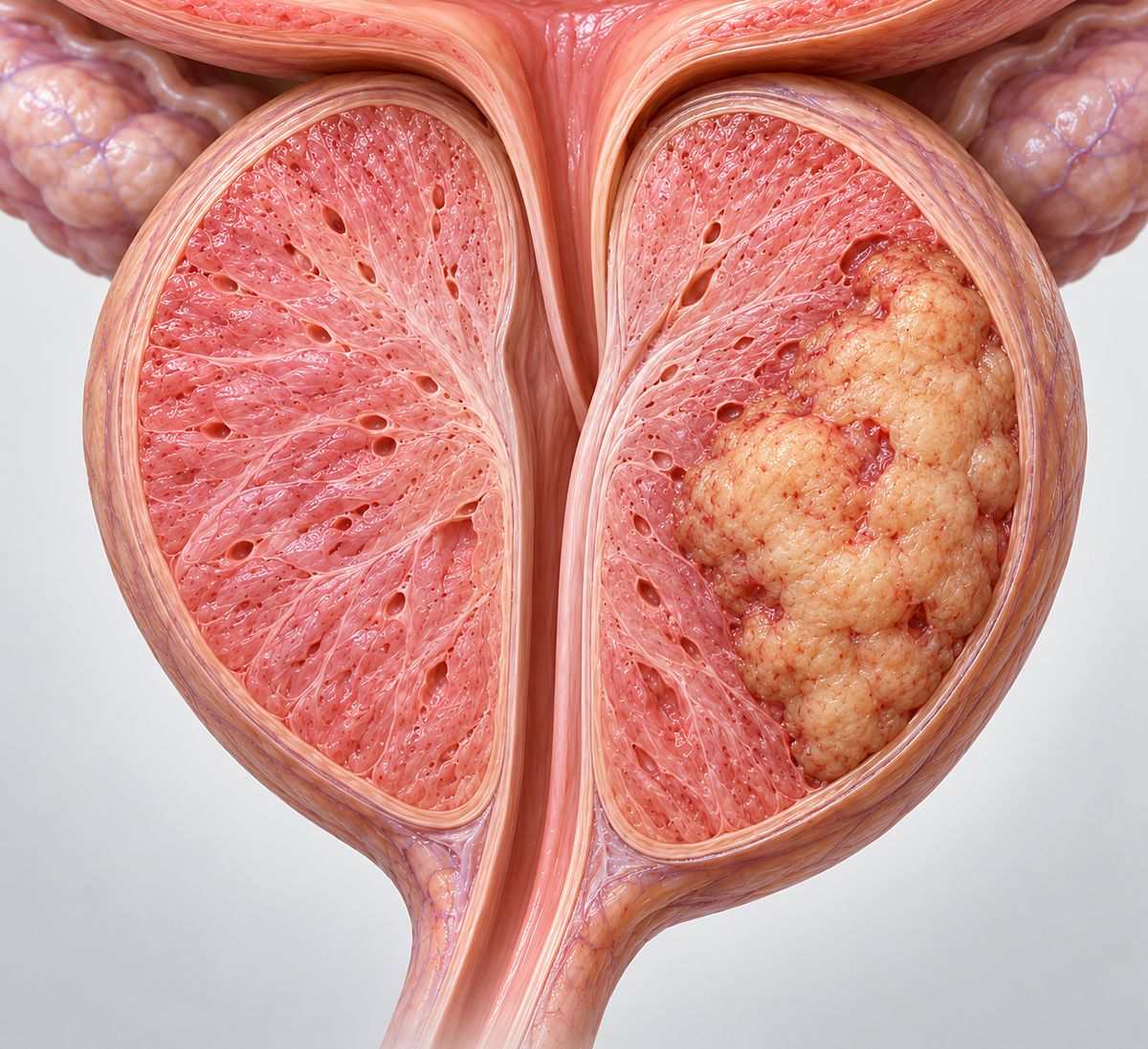
A man in his 80s came with bothersome urinary symptoms. Tests showed a PSA of 35 ng/mL, and further evaluation confirmed locally advanced Prostate Cancer. Although he was in his eighties, he was fit and active, living independently with good overall health.
Why This Case Was Complex
- Age raises the question of whether to treat at all. Many men in their eighties are offered hormone treatment alone, which controls the cancer but does not aim to cure it.
- Locally advanced disease is harder to remove completely. The cancer was more extensive than early-stage disease, which raises the risk of cancer at the edges of the removed tissue.
- Lymph nodes needed checking. With a PSA of 35, lymph nodes on both sides of the pelvis had to be removed to stage the cancer accurately.
The Approach
After discussing the options in detail, including hormone treatment and radiotherapy, he chose surgery aiming for cure. Dr. Anshuman Singh performed a robotic radical prostatectomy with bilateral extended pelvic lymph node dissection.
The Outcome
- Quick recovery: he ate on the day of surgery and was walking from the next day.
- Clear margins: the edges of the removed prostate were free of cancer, so no further treatment was needed at that stage.
- Undetectable PSA: one month after surgery his PSA was 0.02 ng/mL.
- Urine control: good and improving, with two pads a day at first.
- He continues regular PSA checks.
Key Takeaways for Patients
- Treatment decisions should be based on fitness and life expectancy, not age alone.
- Locally advanced Prostate Cancer can still be suitable for surgery in carefully selected patients.
- After prostatectomy, the PSA should fall to an undetectable level; regular PSA tests then watch for any recurrence.
- Urine control usually improves steadily over the weeks after surgery, helped by pelvic floor exercises.
Read more about Prostate Cancer, recovery after robotic prostatectomy and Robotic Surgery.
Every patient is different. This case describes one patient's treatment and is not a guarantee of similar results. It is shared for education, with the patient's consent and without identifying details.